About PCSIR
Our History & Evolution
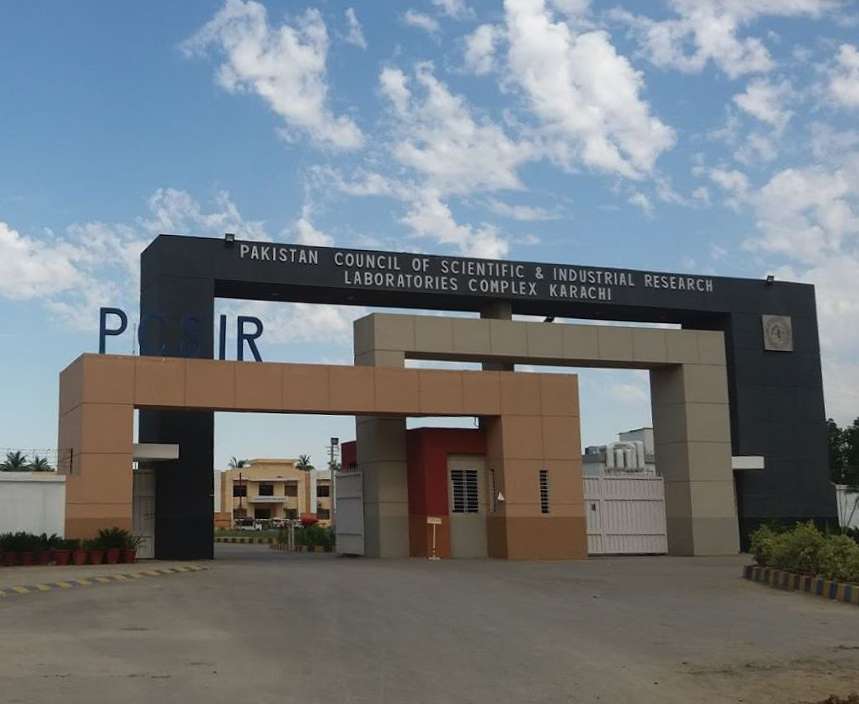
About PCSIR Laboratories Complex, Karachi
Established initially in 1953 at Karachi as an autonomous body under the Societies Act of 1860, the Pakistan Council of Scientific & Industrial Research (PCSIR) was built to initiate and promote scientific and industrial research utilizing indigenous raw materials. At its inception, the Central Laboratories Karachi featured seven divisions across a 6,000 square meter area, powered by approximately 100 personnel, including senior scientists with foreign qualifications.
In 1973, PCSIR was re-constituted via an Act of the National Assembly (Parliament), transitioning into a streamlined autonomous organization directly supporting national economic development and solving industrial problems.

Administrative Control
PCSIR functions under the administrative control of the
Ministry of Science and Technology (MoST), Government of Pakistan.
Today, the PCSIR Laboratories Complex, Karachi (KLC) has grown into a multifunctional R&D organization comprising 7 specialized Research Centers supported by around 600+ personnel, including 200+ leading scientists and technologists.

Applied Chemistry Research Center

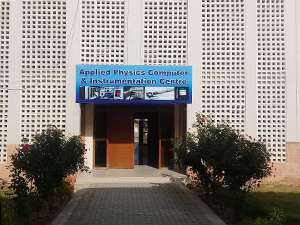
Applied Physics, Computer & Instrumentation Center

Center for Environmental Studies

Center for the Development of Laboratory Equipment

Engineering Services Center

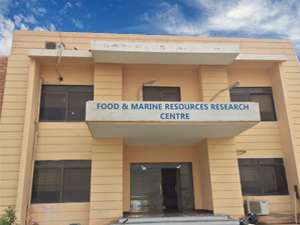
Food & Marine Resources Research Center

Pharmaceutical Research Center
Driving Industrial Competitiveness Through ISO Standards.
Mission, Vision & Strategic Roadmap
Our Vision
To be the harbinger of future technologies by establishing a robust, enabling scientific infrastructure, optimizing national resource bases, and linking domestic research directly to the global market space.
Our Mission
To foster industrial growth, self-reliance, and international competitiveness in Pakistan by:
- Delivering innovative R&D solutions to practical industrial challenges.
- Assisting industries in waste management, resource optimization, and the effective use of indigenous materials and technologies.
- Ensuring top-tier quality compliance and analytical precision aligned with international ISO and WTO mandates.
Add Your Heading Text Here
- Linking Research to Market Space: Transforming academic discovery and laboratory innovation into commercial, market-ready applications.
- Mobilizing Resources: Optimizing the national resource base for sustainable industrial development.
- Investing in Quality Science: Building future-ready infrastructure and fostering originality, creativity, and technological advancement.
Scope of PCSIR Services
Quality Assurance & International Standards
To meet the critical demands of the World Trade Organization (WTO) and international commerce, the accredited laboratories of PCSIR maintain a rigorous Quality Management System (QMS) in strict compliance with ISO/IEC 17025 international standards.
International Recognition & Accreditations
We are proud to announce that key laboratories at PCSIR Karachi—specifically Food Microbiology, Chemical, and Textile & Leather Labs—have been assessed and officially accredited by the internationally recognized Norwegian Accreditation (NA) body.
- Global Technical Competence: This international seal of approval builds absolute confidence in PCSIR’s analytical outputs, empowering us to effectively support the industrial sector in boosting Pakistan’s trade and national economy.
- Pre-Export Certification: Backed by dual accreditations from both national (PNAC) and international (Norwegian Accreditation) bodies, major commodities in Pakistan’s food and manufacturing sectors undergo rigorous testing and certification at KLC laboratories prior to foreign export.
Research, Development & Global Collaboration
PCSIR’s output of R&D work continually drives innovation and modern process development, demonstrating a steadfast commitment to scientific originality and creativity.
- Global Partnerships: PCSIR actively builds and strengthens strategic linkages with international Science & Technology (S&T) institutions. These partnerships enable us to undertake collaborative research projects across diverse scientific and industrial fields.
- Adapting to Emerging Technologies: Operating under the administrative control of the Ministry of Science and Technology (MoST), the Council was restructured through the PCSIR Act of 1973 to address growing industrial requirements and global trade obligations.
In response to the rapidly changing global S&T landscape, PCSIR continues to reorient its strategic priorities, diverting core emphasis toward advanced, next-generation emerging technologies to keep Pakistan’s industrial sector competitive worldwide.